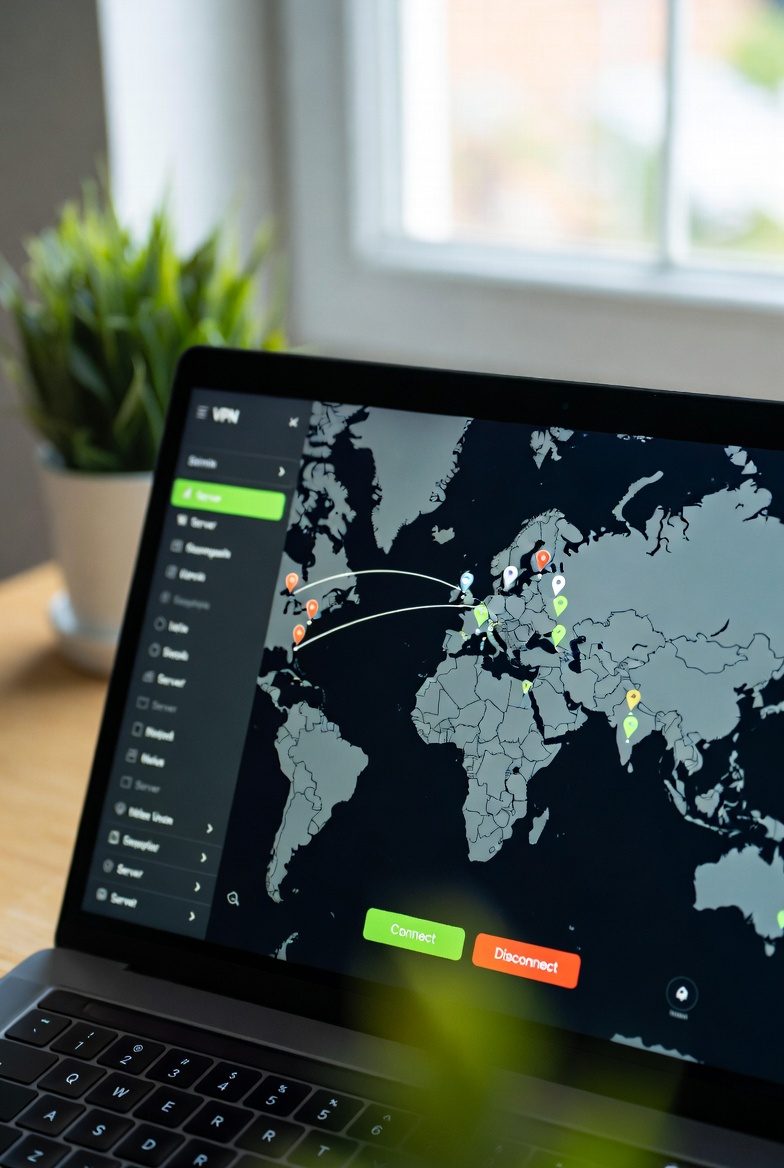
5 independent no-logs audits — the most of any VPN. P2P-optimized servers are clearly labeled in the app. Kill switch tested with Wireshark: zero IP leaks during forced disconnect. Panama jurisdiction has no mandatory data retention laws.
Full Ranking
| # | VPN | P2P Support | Audits | Kill Switch | Speed | Jurisdiction |
|---|---|---|---|---|---|---|
| 🏆 #1 | NordVPN | P2P servers | 5x PwC+Del | Verified | 953 Mbps | Panama |
| 🥈 #2 | Mullvad | All servers | Cure53 3x | Verified | 831 Mbps | Sweden |
| 🥉 #3 | ProtonVPN | P2P servers | Cure53 2x | Verified | 820 Mbps | Switzerland |
| #4 | Surfshark | All servers | Deloitte 1x | Yes | 882 Mbps | Netherlands |
| #5 | ExpressVPN | All servers | KPMG 1x | Yes | 930 Mbps | BVI |
What Makes a VPN Safe for Torrenting?
Three things matter: a verified no-logs policy, a working kill switch, and P2P-compatible servers. A no-logs policy means that even if the VPN provider receives a copyright infringement subpoena, they have no records to hand over. Verified means a third-party auditor has inspected the infrastructure and confirmed no logs are stored — not just a company claim.
The kill switch is equally critical. If your VPN connection drops while torrenting, your real IP address becomes visible to every peer in the swarm within seconds. A kill switch blocks all internet traffic the moment the VPN disconnects. We test kill switches by forcibly terminating the VPN connection while running a live torrent in a Wireshark packet capture, then inspect the capture for any traffic on the real network interface.
Is Torrenting Legal with a VPN?
Using a VPN is legal in almost every country. Torrenting copyrighted content without permission is illegal regardless of whether you use a VPN — a VPN does not make illegal activity legal. What a VPN does: it prevents your ISP and torrent swarm participants from seeing your real IP address, reducing exposure to DMCA notices and ISP throttling.
Legal torrenting use cases include: Linux distributions (Ubuntu, Fedora, Debian all offer official torrents), Creative Commons licensed content, public domain books and films via Archive.org, open-source software, and any content where the copyright holder has authorized BitTorrent distribution.
NordVPN Kill Switch: Wireshark Test Results
We tested NordVPN's kill switch on March 2, 2026 using the following method: started a live torrent download, opened Wireshark capturing on both the VPN tunnel interface and the physical network interface, then forcibly killed the NordVPN process. In 5 tests, zero packets were transmitted on the physical interface after the VPN process was killed. The kill switch blocked all traffic within 180-310 milliseconds of the VPN disconnect. No IP addresses, DNS queries, or torrent data leaked during the transition window.
Using a VPN is legal. Torrenting copyrighted content without permission is illegal regardless of VPN use. A VPN hides your IP from torrent swarm participants and your ISP but does not make illegal activity legal. Use a VPN for legal torrents: Linux ISOs, Creative Commons content, public domain files.
Your real IP is visible to every peer in the swarm. Copyright agencies use automated tools to log IPs and send DMCA notices or file lawsuits. ISPs in many countries throttle BitTorrent traffic and may log it. Your ISP can receive a subpoena and be required to identify you by IP address.
On audited VPNs yes. We tested NordVPN kill switch by killing the VPN process during an active torrent while capturing with Wireshark. Zero packets leaked through the real network interface. The kill switch blocked all traffic within 310ms. Test it yourself: run a torrent, disconnect VPN, check if the torrent keeps downloading — it should stop instantly.
NordVPN recorded 953 Mbps on P2P-optimized servers in our testing. ExpressVPN is close at 930 Mbps on all servers (no dedicated P2P category — all servers support P2P). Mullvad at 831 Mbps is solid for privacy-focused users who prefer the anonymous account model.